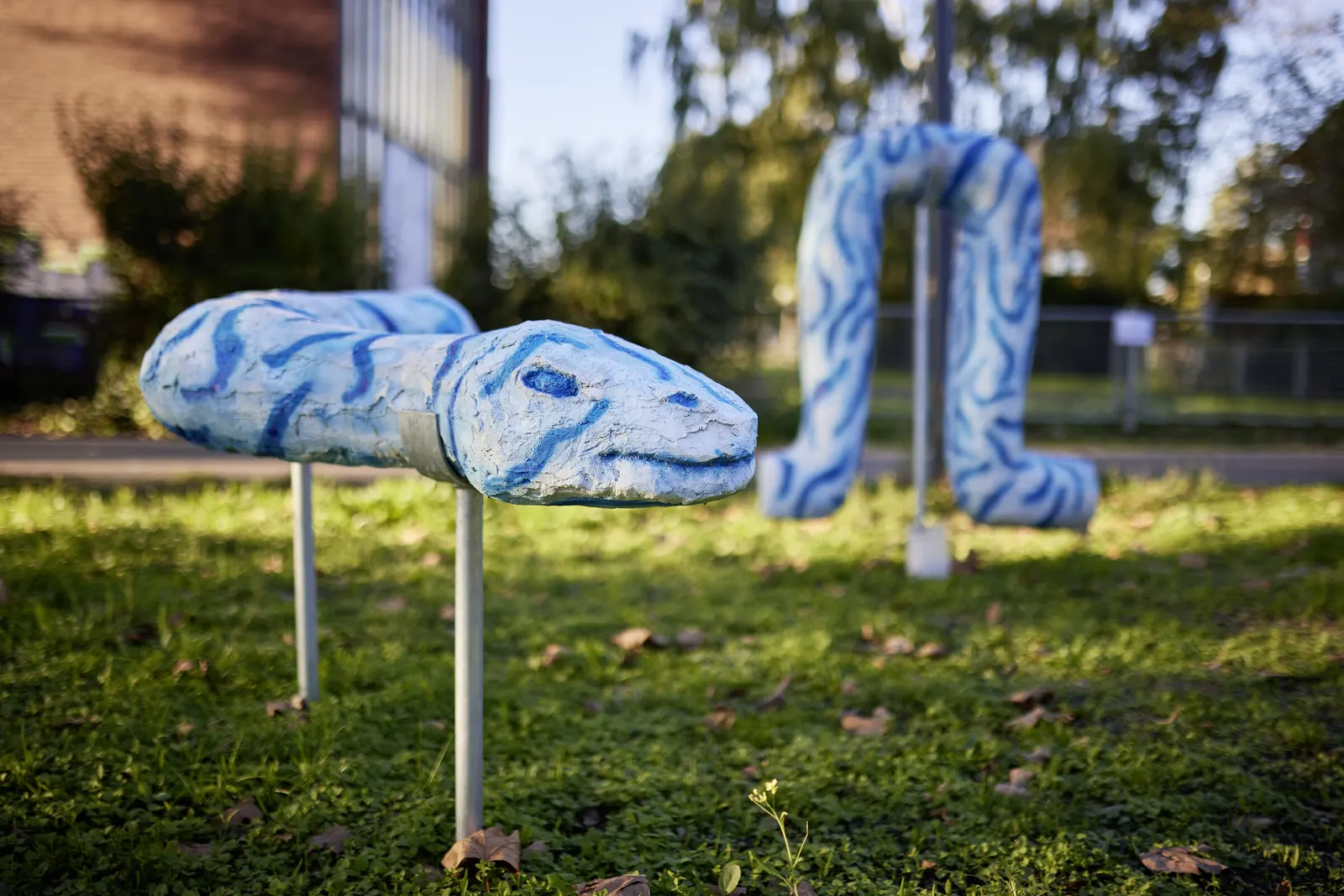
Gespräch · · 59:44
„Experience of water flows“
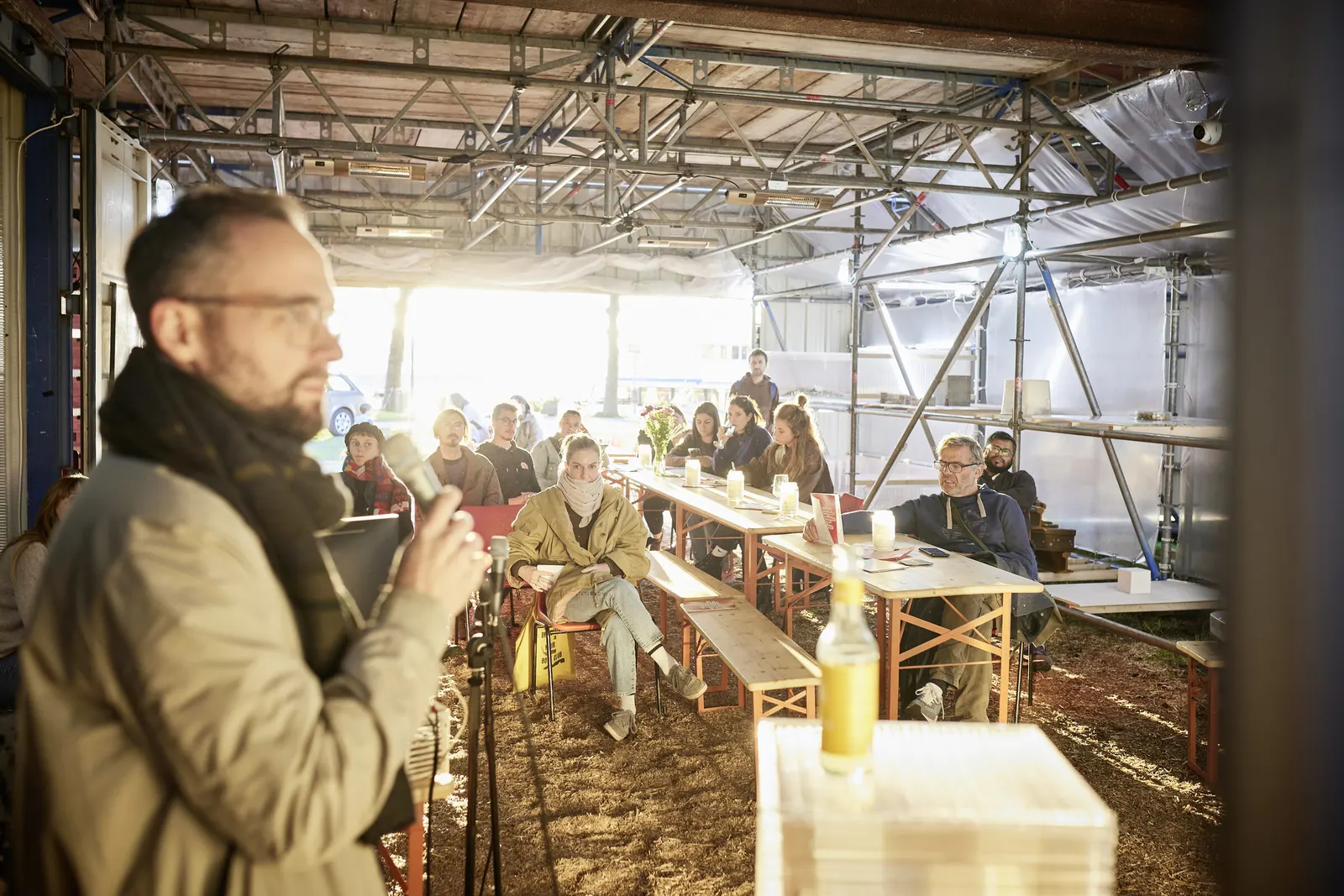
Die Künstlerin Nati Krawtz über ihre Praxis als Wasser-Performerin (auf Englisch).
Mitschnitt · 59:44
Die Tondateien werden gerade umgezogen. Der Mitschnitt ist in Kürze wieder abspielbar, das Transkript können Sie schon jetzt lesen.
Transkript
Automatische Rohfassung · rund 5.500 Wörter
Automatische Transkription, nicht redigiert. Namen und Fachbegriffe können fehlerhaft sein. Das Gespräch wurde auf Englisch geführt.
Lisa Bergmann: Arbeiten vorstellen. Und deshalb gehe ich gar nicht so sehr ins Detail, denn es geht ja darum, dass sie uns einen Einblick gibt in ihre performativen und k�nstlerischen Arbeiten. Wir kennen uns beide von einer Residency, zu der sie mich damals eingeladen hat, nach Opole, wo sie Kuratorin war, zu dem Zeitpunkt in der st�dtischen Kunsthalle. Das Erstaunliche war f�r mich damals, dass ich wei� nicht, vielleicht waren ein paar von euch schon mal eingeladen in Residencies. Normalerweise l�uft das oft so ab, dass man, wenn es gut l�uft, einen Arbeitsraum zur Verf�gung gestellt bekommt und dort einige Zeit verbringt und eigentlich mehr oder weniger unbetreut sich selbst �berlassen ist und bleibt, eventuell mit K�nstlern in Kontakt kommt, aber mehr oder weniger so freie Zeit hat zu arbeiten. In Opole war es so, dass wir drei K�nstlerinnen waren, die dort einfach zwei Wochen lang eingeladen waren, Fahrrad zu fahren und das ist mehr oder weniger das, was wir da gemacht haben. Wir haben uns die Gegend angeschaut, obwohl es eine kleinere Stadt in Schlesien war, die durchaus Bez�ge zu unserer europ�ischen Geschichte hatte. Und die Ausfl�ge bestanden tats�chlich darin, sich die Gegend anzuschauen. Da ging es viel auch um Elektrizit�t, die dort umgesetzt wird und auch sehr viele Baggerseen. Und das war tats�chlich auch damals schon, die beste Residency, auf der ich bisher war, und die auch, und das zeigt auch so ein bisschen, dass es vor allem auch eben darum ging, ein bisschen, so Natalias Haltung, dass Kunst einfach sehr viel auch mit der Umgebung zu tun hat, Kunst in Kollektiven stattfindet und Kunst auch mit sehr viel Spa� verbunden ist und mit dem in der Natur sein und drau�en sein und Erfahrungen machen. Sie ist mittlerweile nicht mehr dort angestellt, sondern unterrichtet viel in Breslau an der Universit�t und ist heute Abend, aber auch schon l�nger, also sie hat auch Kunst studiert tats�chlich und ist K�nstlerin, und wird heute Abend �ber ihre k�nstlerische Praxis reden. Sch�n, dass du da bist und ich bin sehr neugierig, was du uns zeigst.
Nati Krwatz: Danke sch�n. Thank you, Lisa and thank you Norina for inviting me and thanks to you for coming and listening to my presentation. I try to understand what Lisa said, but my German is not really well. I used that language some years ago and I already forget almost everything. So I will speak English if you allowed me.
I was invited here just to show my practice. And when preparing this presentation, I just realized it's pretty hard to discuss my works or projects because they are more like practice or routine that I'm taken. So I would just tell you how it all start. Why I am in water and why I am connected to water.
One thing please forgive me, I will speak very slowly because I'm not in a really well shape. So I would try to survive this presentation and talk. I hope you will survive it too. But in case you have questions, like, I mean, quick questions regarding what I'm presenting, just feel free to ask them during the presentation and right now I am too hot.
My experience of water flows started, I mean, I developed this practice since few years. I used to love water and I always look for being close to water. I usually take any chance to get into the water and to swim. But at some point, I find it is difficult, especially when you are in a city. Because the access to water is very often limited, even though there is a river or even very nice bodies of waters around. It's quite often that there is no access or there isn't any public beach or place organized for people. And what I am doing is very simple. Maybe even boring. It's just being in the water. I call it an aquatic performances but it's not artistic swimming or synchronized swimming because that's what people ask usually when I tell them, I'm a water performer. How did it start? Well, it started in more or less 2018 when I got really obsessed about swimming and I was just swimming in a local body of water in Opole, which is called Balco Lake. And this is basically a lake that was created artificially, it is located in a former Lime Stone quarry which was flooded by the order the river in 1997. And for some years was just abandoned. And after 2004, I guess, they just organize space for people to swim and it's a very beautiful body of water. Because it was so hot, I just plunge in the water every day on my way to work or after work. I spent so much time in the water. And then I started to think what is actually going on? What is this place? I started to be more conscious or maybe I start to observe my practice. I just took images every time I went there, very bad photos, but just to have some kind of proof that it happened that I've been there. But I also started to think about water topics or hydro(?) topics. I think it's kind of important, I would say maybe ideological flow, that goes around related to such terms as blue humanities.
I mean, the part of philosophy that tries to perceived world and reality in more liquid terms, but also gains much more attention to water and how water connects people, land and how we as a human beings and other creatures are related to water. And this is very simple Manifesto, I really like to refer to words of Rida Ianis (?). She's one of the leading forces in so called hydro feminism. And she wrote a really crucial text which is called Becoming a body of Water, where she actually argues that we are all bodies of water, kind of contain the ancient sea in our bodies because actually life started in the water and if we would like to see it from a geological perspective, like we all as a living beings came out of the water. So our bodies became to be some kind of containers that took this part of so called hyper sees with them. I mean, we include this water this primordial water. So there is this statement which is saying we have all arisen out of the same primordial soup. And these are, I would say heroines. So whatever I do, I just do things after water ape. I'm not sure if you are aware of this alternative theory of, I forgot the word that basically the theory says that the mass has been in water episode in our ape stories. And that's very beautiful book written by Elaine Morgan, which I highly recommend you to read. But also all the mermaids and water creatures even mythological are usually my inspirations. Here, I just made a comparison to Aphrodite and I think I'm very similar to her. But also Lynne Cox is one of my very favorite heroine. She's an open water swimmer. She's swimming usually in very cold water and she's known for crossing the Bering Strait during the Cold War in order to show that those two nations who were in tension at that time, Russia and U.S., are actually really close together and you can just swim from one island to the other and cross the borders that were closed for so long. And she also published a lot of books which are really, really beautiful. I also recommend them. So this are just samples of how my practice started.
I started to swim in the summer and that was a very hot summer. So it was, to me, just natural to plunge in the water and cool down. I spent like one or two hours in the water in order to get like in really proper temperature of my body. But then the summer ended and I just couldn't stop. I was still continuing going there every day and swimming. So I have tons of photos. At some point I started to write down the records like, what was the temperature? What time I went there? What was the distance of my swim and what was the temperature of the water? So from May to January, I was every day in there. And it was just so simple. I was actually thinking whether I should do more records or do something about it. But then I just did like the situation that there's nothing left or I don't have to do anything. I don't have to produce a product in form of an artwork. And there was also a bit challenging because when it's cold, then of course, one cannot swim as far or you have to be really careful about how long you stay in the water because you may suffer from hypothermia or things like that. So it's good to control time and, to control the distance because if something happened far from the shore, then nobody would ever come and rescue. So I started to swim with a swimming app just to understand what are my abilities, how far I can go and how long can I stay? So here you can see there's the lake that's the map of the lake. And these are just examples of the routes I took like that. This is very basic one going from here to there, which is 500 m. So altogether is just one kilometer, but then you can go here and here and there and there. And it makes fun. So I just started to make drawings that are invisible or ephemeral that disappear, which I later called water footprint, which may also refer to this idea of understanding how much water we use for production or according to any other sources that we use for production. But in this case, it is about water. So I was just using water but also try not to leave any physical print in that place. Yeah, and these are just drawings. Some of them are very tiny and so they probably happen in December or in winter when you struggle just to stay for like eight minutes in the water and you're circling around and then you realize you created the shape of a fish or something. You're not even aware of that. I just found it very funny or maybe joyful.
But that time when I was spending my time in the water and suffering from the heat I was really thinking about those cooler places in the world and also kind of naturally the shape of Greenland emerged in my mind when I was swimming and I started to think what it is about what it actually is because the lake or the water that I was swimming in came with the water from the river that is very close to the lake during the flood. And that water came from somewhere else. So you just ask yourself, where does this whole water come from or where it is located or where does it go? So I was thinking how it is all related even in this closed body of water, that lake that I was swimming. You realize that this water just comes from something and then evaporate or go somewhere else and it's just like a constant exchange of liquids that happen on the earth. And also because it was so hot, I started to think that what is happening in there, in Arctica or in Antarctica, which are actually the biggest reservoirs for fresh water for the earth. So you can see the Greenland as an island, but also as a water tank as a reservoir for fresh water for so many living beings in the earth. And then you realize it's melting and it's melting really rapidly. Like official data says that the melting of Greenland's ice cap is progressing at the rate of approximately 200 cubic kilometers per year. But of course, it's hard to understand what does it mean. So I started to calculate how can I translate it to more like something that is closer to our experience. It was not easy to me because I'm not good at mathematics. I had to ask for help, but I ended up with this result that, if you want to understand what it is, then you would have to take a glass of water and pour it into the sea 8 billion times. That's the speed, eight billions of glasses. I don't know if you can imagine this, but if we would just take one glass and pour it 8 billion times in the water, this is how much fresh water just running away into the sea and changing the environment. And then also I thought that because I started to observe the map of Greenland and I thought it's so beautiful with all this coastline that I just started to draw it and repeat it so many times. I just ended up doing a kind of blanket or duvet filled with fedder (?). So that's actually an object because I thought maybe it's important to documented or to keep the shape of something that is just in the change and disappearing. So that was basically my idea.
And then I also made a book with more or less 300 graphics of the Greenland. But the idea of the book is, that when you go through it side by side and the drawing disappears very slowly. So you can notice it when you turn the page, but when you turn like 300 pages, you see, there is a difference. I was working with that because all those theories or information about climate change are circling around and we are receiving so many datas, but we can't really visualize it or we can't understand it. Regular people like me who are not trained into understanding datas. So I just try to translate them to more accessible language or just to understand it by myself. So that's another result of this kind of practice where I was just working with an ice and let's say on camera performance that last one hour. I will not show it here. It's very boring. It's just me eating ice. Because I was so curious, I was reading a book by two Polish Polar scientists. They wrote the book in the sixties. So in completely different circumstances and understanding of what is climate change. And they gave really inspiring comparison that I will read. They said because they wanted to explain how much ice is in Antarctica. And they gave a comparison that uh um goes like this because they, they try to prove it's endless. And they said, let us assume that all people living on our planet would like to eat the entire Antarctic ice one day. Then everyone from a baby to a decrypt old man would have to swallow a half a ton of ice in a second, 30 tons in a minute, 1800 tons in an hour. And so without the break, without a moment's rest, they would have to eat this ice for 24 hours a day, a whole week, a whole month and all year around. And I got so um obsessed about this image of people uh devouring ice um that I couldn't stop think of it, but then I ask myself, what kind of comparison is this actually? Is it possible to eat ice and how much uh can one eat? What about digestive system? Will I suffer from hypothermia or what will happen? Um So I just prepared this few um ice, water, ice and it wasn't much that I managed to fit in my stomach, but it was more about these considerations that at that time they thought it's like um endless amount and that we cannot even understand how much ice we have. But uh right now we see it, it is all melting and, you know, changing um ecosystem in the water as well. Uh And people are more like thinking rather about their holidays and, you know, next ice creams instead of, I don't know, being a bit more concerned. So that was the performance. Um And the next project that I am presenting here uh was also um triggered by my desire to being in the water. Um For some time I was living in Istanbul and for a few months that I uh that I've been there, I've never managed to plunge in a boss peruse. So that was a kind of desire uh because you cross the street every day. It's so beautiful. It's so impressive, but there's actually no real access. Uh and it's even hard to, to, to dip in your hand in the water because or um there are harbors or just high buildings uh there is, there isn't even a real waterfront where people could see and just stir into the bosphorus unless you are on the boat. Uh So there was one thing, but of course, we need to remember that Istanbul is surrounded by water. There is the Sea of Marmara and Black Sea. Uh So I decided to go there. I was collaborating with um art association called Passages. Uh And I asked them to help me, I was thinking of doing a parti participatory project where I ask people to show me their spots. Uh But most of people were just saying what bosphorus, it's so dirty. Why would anyone want to, you know, deep in this water? And they were so um surprised with this idea. Um But of course, I found some people who show me nice spots also uh in the Sea of Marmara. But the point was that uh at that time when I arrived, uh that was last year, um they were really witnessing a terrible disaster of so called sea saliva that occur uh in the sea of Marmara. So that was even more frightening. Like people were saying, you shouldn't definitely go into the water. It's dangerous and it's killing. But uh on the other hand, I was thinking like, well, the fishes are still in there or the water creatures are still in there. What about them? Uh Because I thought only when you get into the water and people see humans in this slimy new slid. Then they are, they get maybe more empathetic with what is happening because otherwise they, they just um behave like they don't notice there is a tragedy going on in there because they don't dip their feet in the water. They don't go in the water. Uh Of course, it's not that I'm saying that they were completely careless. Of course, there were a lot of uh scientists and uh uh services that were um trying to do something about or at least understand what is happening, but generally people just uh felt discussed and uh turn their backs away. Well, this particular uh um graphic shows my first plunge in the bosphorus. Um But I would just show you short, maybe not the entire video, but I just wanted to show you how it really looked like. Thank you. Oh, we've lost the sound. Um It was very weird. So the, that was the mucilage and um I just made some short videos uh because in terms of um liquid exchange, I thought this uh term of sea saliva is also very sensual and uh I never thought that something uh so humid and liquid can slavery and produce saliva. Um And then it also um led me to uh like very sensual or even um sexual associations uh that and to actually see that uh the water body is very similar to even our own uh bodies. I think something
Sprecher:in 3: I'm sorry.
Sprecher:in 2: Well, I don't know. I think we have something wrong with the sound but yeah, uh so shall I connect with uh with Bluetooth again or?
Sprecher:in 3: Uh
Sprecher:in 2: ah, ok. Uh Well, this is just a short performance because um maybe I will skip that one and go directly here. Um And this is um it was a project I released together with uh Nina Adelaida out track. Maybe some of you met her, she was working in K for uh some years and I just spent a month in Denmark uh where uh this threat of ice melting is really serious where they are actually uh afraid, especially in the region where she lives uh of being flooded by the sea water. Um And they struggle with, with this uh water that um constantly uh taking the uh the ground or will definitely take the solid ground uh in the future. Um And uh Nina was also, she's very into um uh this narratives of uh ecological disaster. So uh because I was swimming in the winter that, that, that happened in December, I just had to get to the water as I do, usually wherever I go. Uh And we started to do some records and um created some kind of movie when uh it's a fantasy about the apocalypse and how one can survive um taking lessons from uh the others. I just wanted to show that film, maybe it's better just to see it instead of talking. Um But we'll see if, if the sound is working properly.
Sprecher:in 3: Yeah. Right. Yeah. Yeah. Ok. Ok. What,
Sprecher:in 2: I'm sorry, there's something really wrong because that is it, is it the matter of being closer to Bluetooth or?
Sprecher:in 3: But
Sprecher:in 2: we can't change it?
Sprecher:in 3: Mhm.
Sprecher:in 2: Well,
Sprecher:in 3: maybe as well.
Sprecher:in 2: So maybe we can, uh return to that because there was some narrative that actually uh make the movie, um, more, uh interesting, I think. Uh, yeah. So I was actually continuing this practice of, of uh getting close to water uh wherever I go. But then I realized that I actually live all my life uh um in um or by the river, by the other river and I never swam in this river and uh nobody's swimming in this river because people usually uh claim that the water is dirty or they are um uh frightened with, are they still living um with uh in the trauma of uh the great flood that happened in 1997? Mhm Sure.
Sprecher:in 3: It's called. Yeah. And you contagious. Very same.
Sprecher:in 2: Thankful to come on your
Sprecher:in 3: shores um amidst mosquitoes, mud and grass. See, knowing you hold airborne toxins. Tell you from the tour sounds you go. Yeah. Yeah. Ok. December 24th. I am diving into the water
Sprecher:in 2: for the first time after 30
Sprecher:in 3: four days. A
Sprecher:in 2: strong wind
Sprecher:in 3: is blowing as always here, December 27th, calm stillness. I am entering the water as if it was a Lake January 3rd. I'm making a quick leap into the dark gray water and I start swimming for starters. I focus on how my blood vessels contract and squeeze my entire body. I am regulating my breathing. Then counting up to 30 draws up to 40 50 10 more the other way. January 6th. I can't take my eyes off of the stones. I keep thinking I will find a special one amongst them. A one that war has not seen before, choose a few and carry them around while walking and then throwing them into the water and follow the stones myself. I don't know the water temperature but my hands are burning but still it is defining January 9th. The waves are rocking back and forth and it's hard to complete even 10 breaths because I keep losing my bearings. The water just does what it wants with me. I give up. I will not fight. I'm trying to swim, but my arms are
Sprecher:in 2: so heavy
Sprecher:in 3: that they are being pushed back and I have a hard time bringing them forward. The sea is pulling me down. Yeah. Ok. If OK. Mhm. Mm. It is the seventh day of the 13th month. The year is 972. After the apocalypse. The second sun did not rise today. Not that there is much hope for that anyways, it has not raised it for the last 200 years. The clouds are towering pretty high today. Carlos congests homogeneous. The sign that a storm is coming. Maybe it will even rain. The toxicity is always at its highest before it rains. With any luck, it will clear out the transparency. The dimming today is very high. It's one of the days where the lack of light is almost unbearable but it is still a good day for an expedition. Water is the ancient mirror. It is the living energy out of which everything is made. The true nature of water is that it is the great unifier of all life. And that same glass of water will facilitate our movement. Grow, thinking, loving as it works its way down the esophagus through the blood, the tissues and the index f the clavicle and the left plantar facia. It ensures that our being is always a becoming an alchemist at once, profoundly wondrous and entirely. But now water guides a body from young to old, from here to there, from potentiality to actuality, translation, transformation. The reality proliferate, most of our bodies are composed of water which upon physical death will return to the great cycle of the world's waters. One can, it has passed through and has been recycled by our atmosphere and all other life since the very beginning and will continue to do this until the very end. Even as we live, our fluids are only with us a short time before being created a new and rejuvenate.
Sprecher:in 2: We find ourselves
Sprecher:in 3: tangled in intricate choreographies of bodies and flows of all kinds, not only human bodies but also other animal, vegetable geophysical meteorological and technological ones, not only water flows but also flows of power, culture, politics, and economics. Out of cover black is in me. I didn't, I didn't God serve God. See I have, I have not, I live on their, on their ledges in my hands. My head like the only the only place, moons of the horror of the shade and yet the menace of the years finds and shall find me. It matters a lot. How straight the gate charge if punishments and grow. I am the master of my fate. I am the captain of my soul.
Sprecher:in 2: Well, I, I guess it's actually maybe a good moment to end. Uh I, I was just starting to telling you about this performance in the other river. Um So it was, I would just finished. It was very, very simple. I was just swimming with the water flow um and transmitting whatever I see on Instagram of the uh local gallery. Um So people could see me. It was actually interesting that people could um experience like to perspective to see someone in the water, which was what was very unusual because people don't use this water for swimming. Uh So they were just, they had this chance to see someone and maybe get encouraged. That was basically my aim to get into that water. But also they could see what I see uh on their um mobile phones or even communicate with me. Uh, when I was, uh, swimming. Um, yeah, and at the end I was just brought to the riverbank by, uh, firefighters. They helped me. It was very nice of them. Uh, and just recently, uh, I started to because it turns out that right now the topic was also the drought this year. Uh, and because I was spending my time, uh, in Hudson Valley, New York this summer, I just, I really wanted, the temperature, temperatures were just um killing and I really wanted to cool down in the water, but it wasn't very possible because uh first of all, um there weren't too many places to access the Hudson river and the tributaries or creeks around were already dry. So one couldn't actually swim in it. You could just simply float and connect in that way with a water. Yeah, thank you. Yeah,
Sprecher:in 3: maybe what we will see tomorrow.
Sprecher:in 2: Yeah. Um The plan is that I will uh connect with the Rhine tomorrow uh at eight. So everyone is very welcome. And yeah, eight in the evening. Yeah. So more or less this time about this time, maybe you have questions or maybe you just want to have fun. OK, then thank you.
Sprecher:in 3: Did you like develop a technique or strategy? How to stay in the? Mhm.
Sprecher:in 2: Uh Well, no, I was actually uh doing it very wild. I don't know how it happened. I just because it was very natural that I was just continuing going into the water. And uh there are so many techniques and uh actually, if you do that, you should prepare yourself, you should um warm up and um uh you should really control your breath, but I've never done it. It was maybe a bit crazy. Uh but also very natural to me. Um in generally you really, because I think it just happened naturally that uh my pulse and, uh, breath just slow down. You need to be very, uh, cool when you get into the cold water because it depends on the temperature. It's very different if you go to, you know, water that is 10 degree and then when it's like seven or, uh, five or three, like at some point every, each degree makes the difference. Uh, and when it's like around seven it's already freezing cold. It, it caused so much pain. Um, so you just have to be, breathe very, very slowly and be very, very cool. Um, so definitely not getting in panic or, yeah,
Sprecher:in 3: you should not do this
Sprecher:in 2: alone. Yeah. Yeah, that's, that's a good point. Um, well, I mean, I don't know how, how it works here but in Poland, uh, especially during pandemic it became so, uh, people just get mad about, uh, maybe not, I wouldn't say ice swimming just dipping in the ice water. Uh, also because, uh, this guy who's called, uh, Iceman is resident in Poland and he's encouraging so many people to expose themselves to cold, which is, I think, very, very dangerous. And um if you, if you don't train, if you, if you're not aware of your abilities, you definitely shouldn't do that because uh it's, it's simply dangerous. And then the other thing is when you swim, uh I don't know if uh anyone ever tried to swim in cold water, like below 10 degrees or
Sprecher:in 3: yeah,
Sprecher:in 2: more because I think the biggest problem is um uh it also relates to breath, but because the vessels contract and because the muscles are cold, then you use much more uh oxygen and you have problems with breathing. Uh But also to me, the biggest problem are hands um like the, it's really unbearable pain but just for a few minutes and then it, it goes away. Um So yeah. Oh yeah, I did. Uh I did actually in Hudson River. Um But that's even more because once you get in, in the cold water and your body is kind of frozen, then you don't feel what is happening. And, and when there's uh ice on their surfa surface or around you, it's so easy to get scratched or get wounded or make some bruise bruises and you don't even feel that you may really cut your skin and, and, and you won't even realize that. So you need to be very, very careful,
Sprecher:in 3: but
Sprecher:in 2: really, well, um I wouldn't argue with that. Uh I don't have uh, hard data but, uh, I heard it's colder, like it can really achieve to, goes almost to one degree. No. No. Yeah. But in, uh, they say, uh, that in the seawater, like when there is a salt, it never, it doesn't froze, uh, that quickly. But I don't know, I'm not a specialist or, uh, heterologous. Um, this is just like, uh, something that flows in my mind from what I was reading. But uh I can say it for granted, but then they say also that this uh fresh water gives a stronger sensation of cold than, than the sea water. So, on the other hand, it's, it's a greater achievement. OK. Thank you.
Fotos von diesem Tag · 22. September 2022
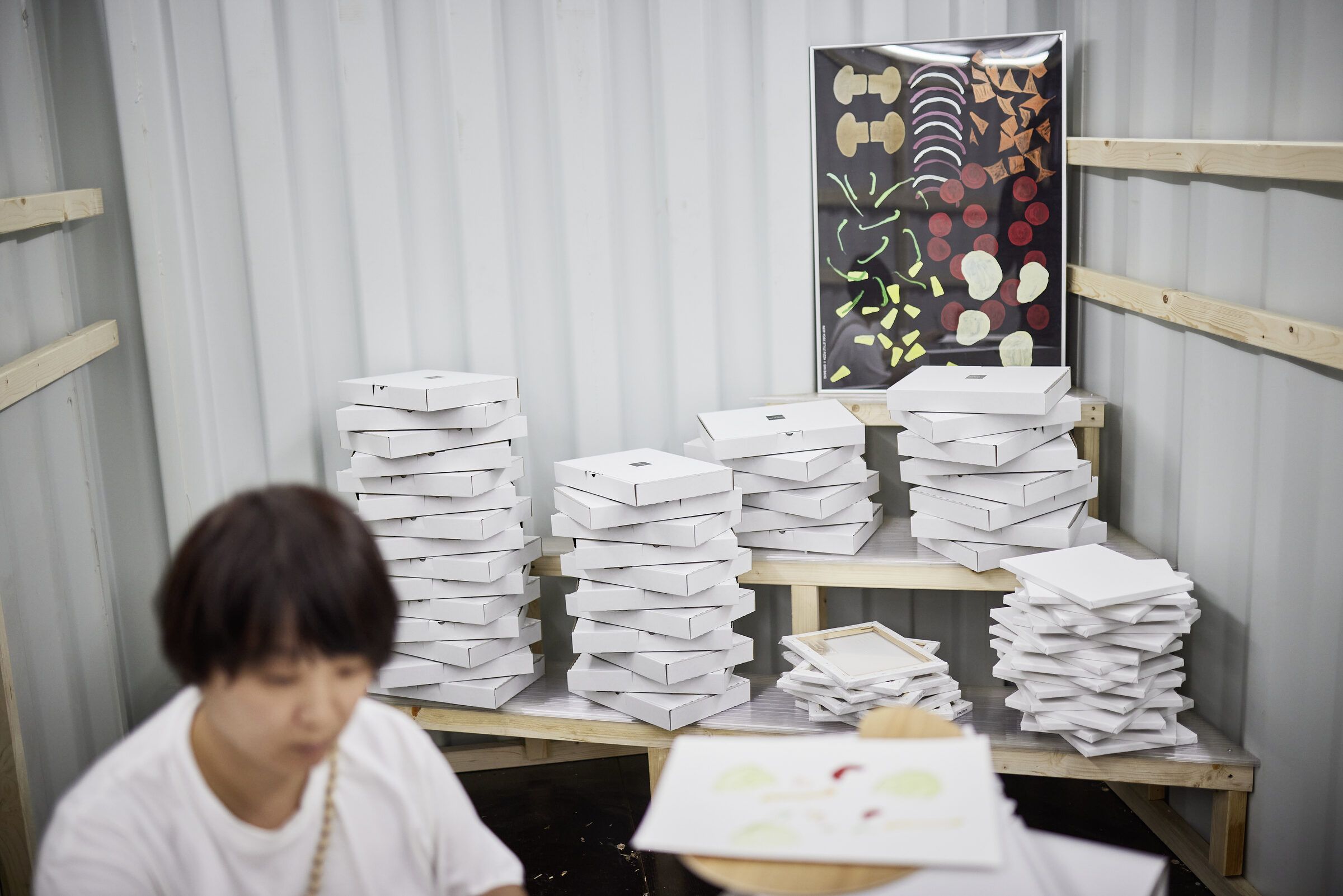
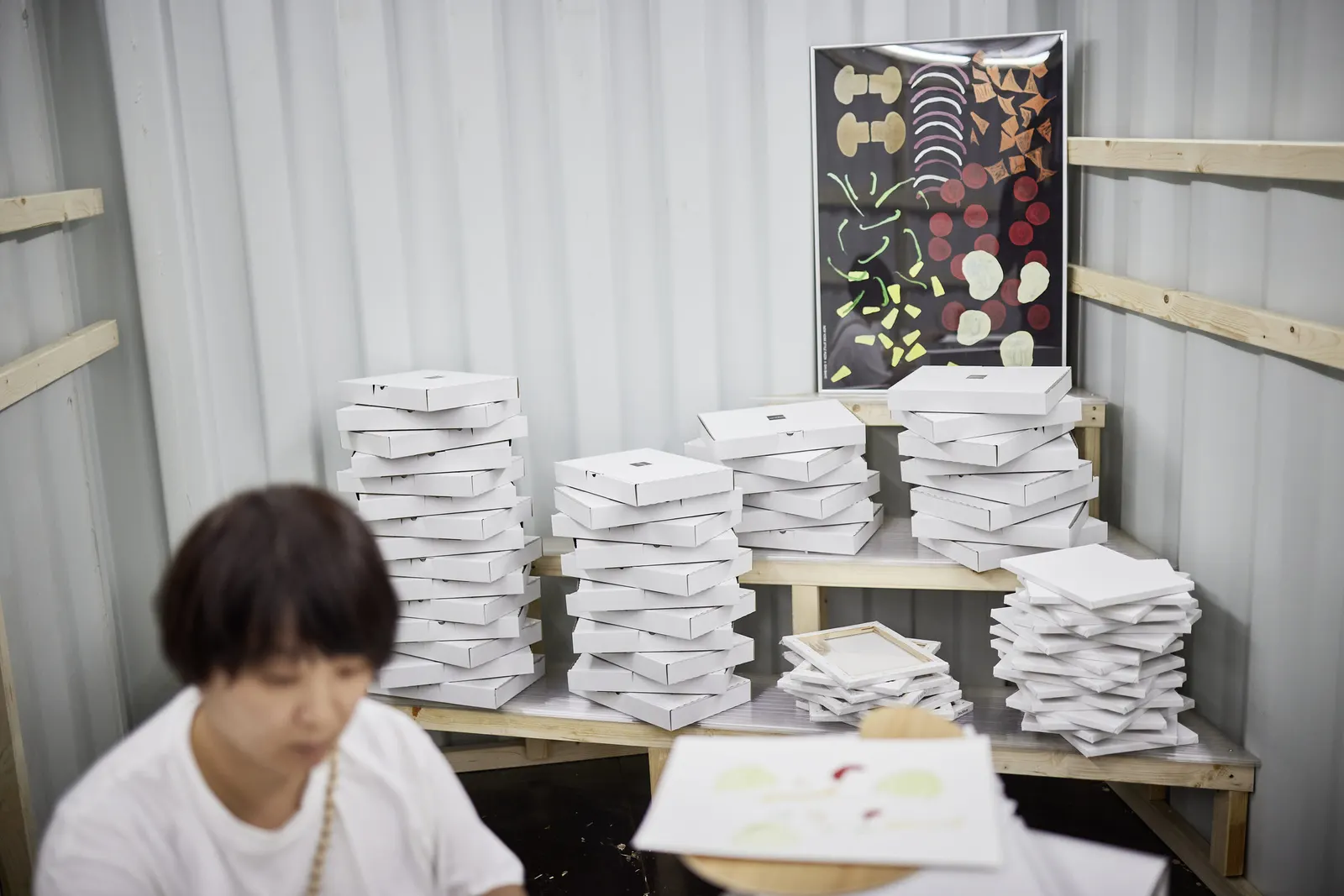
Pizza-Aktion von Gin Bahc 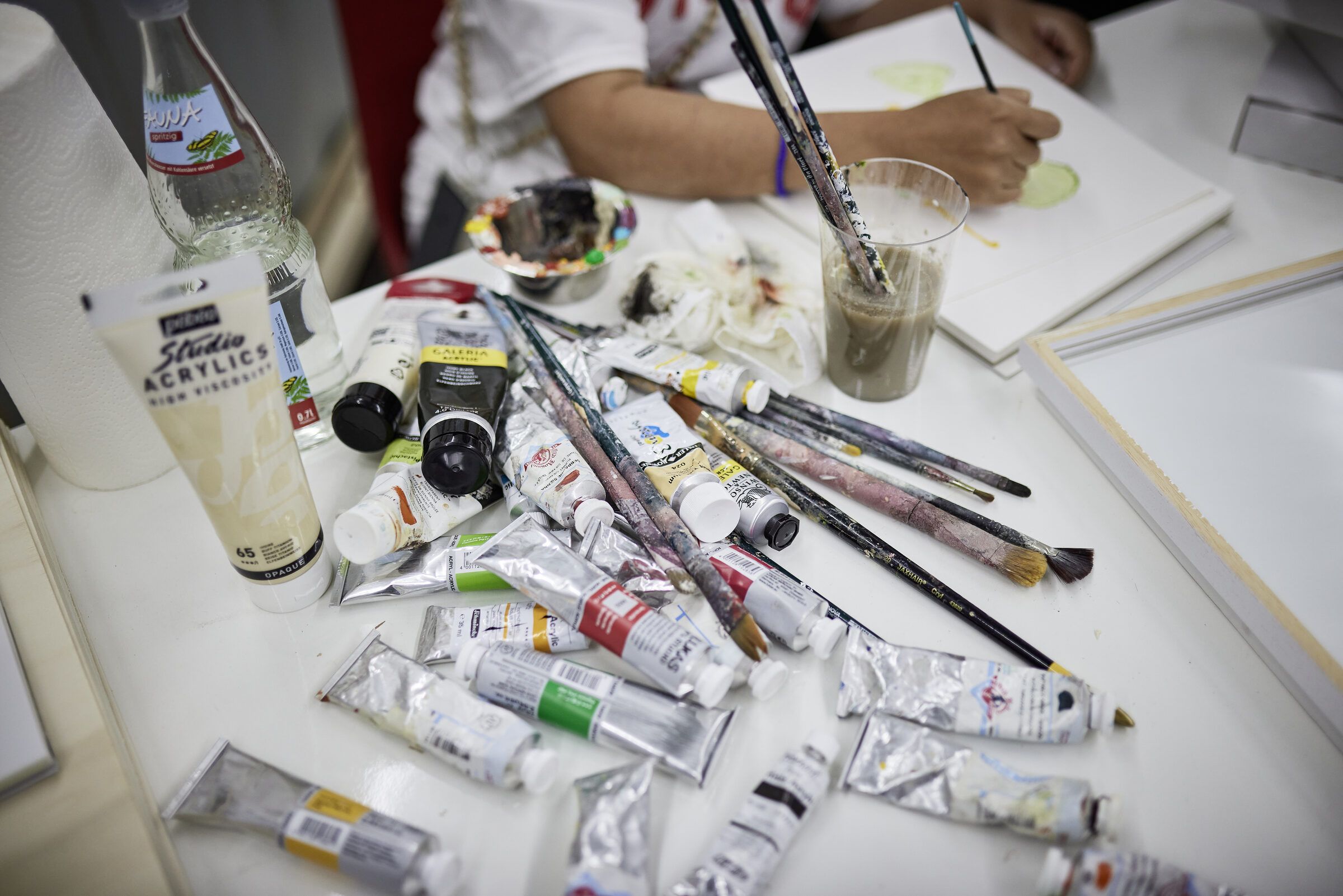
Pizza-Aktion von Gin Bahc 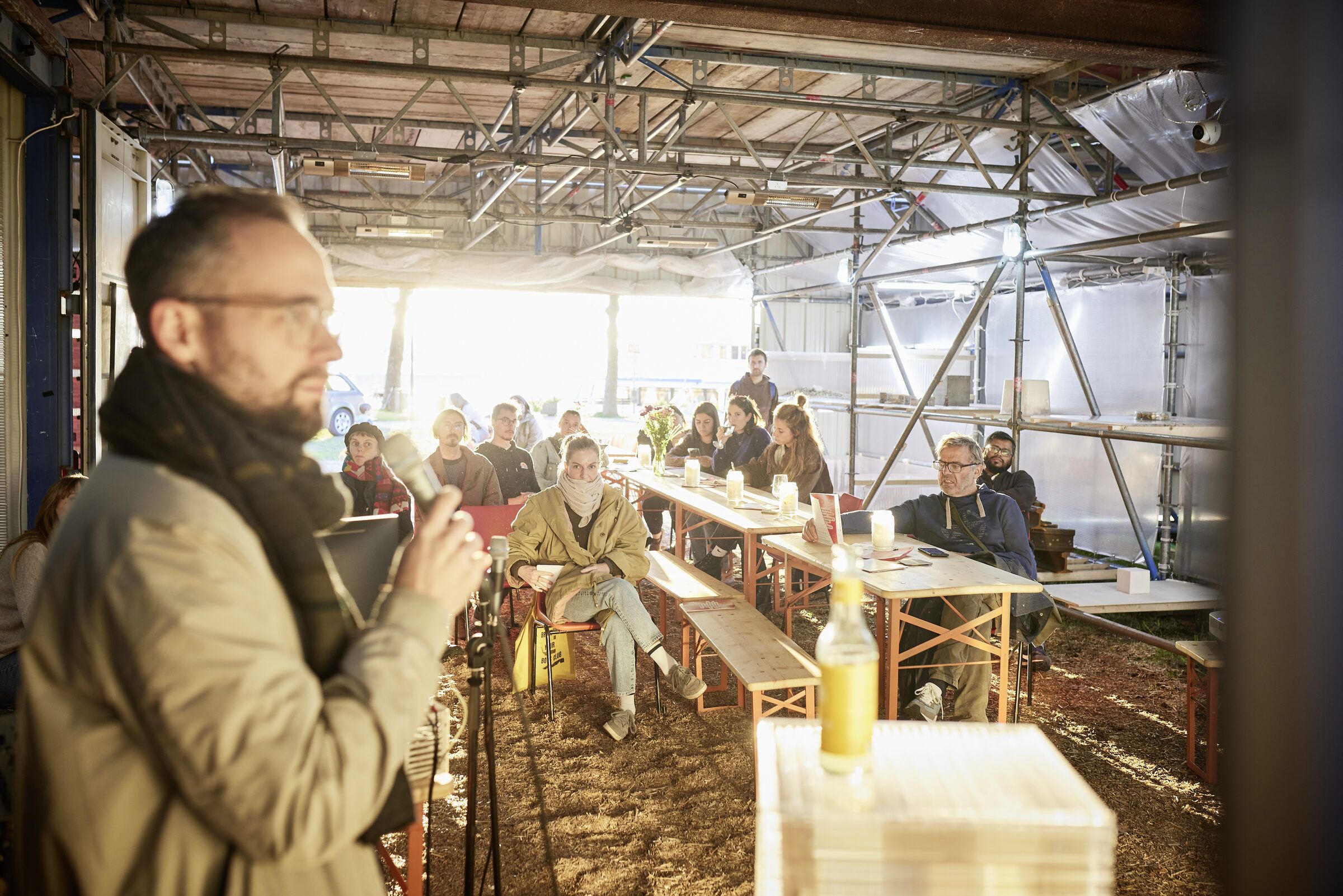
„Urbaner Metabolismus“ 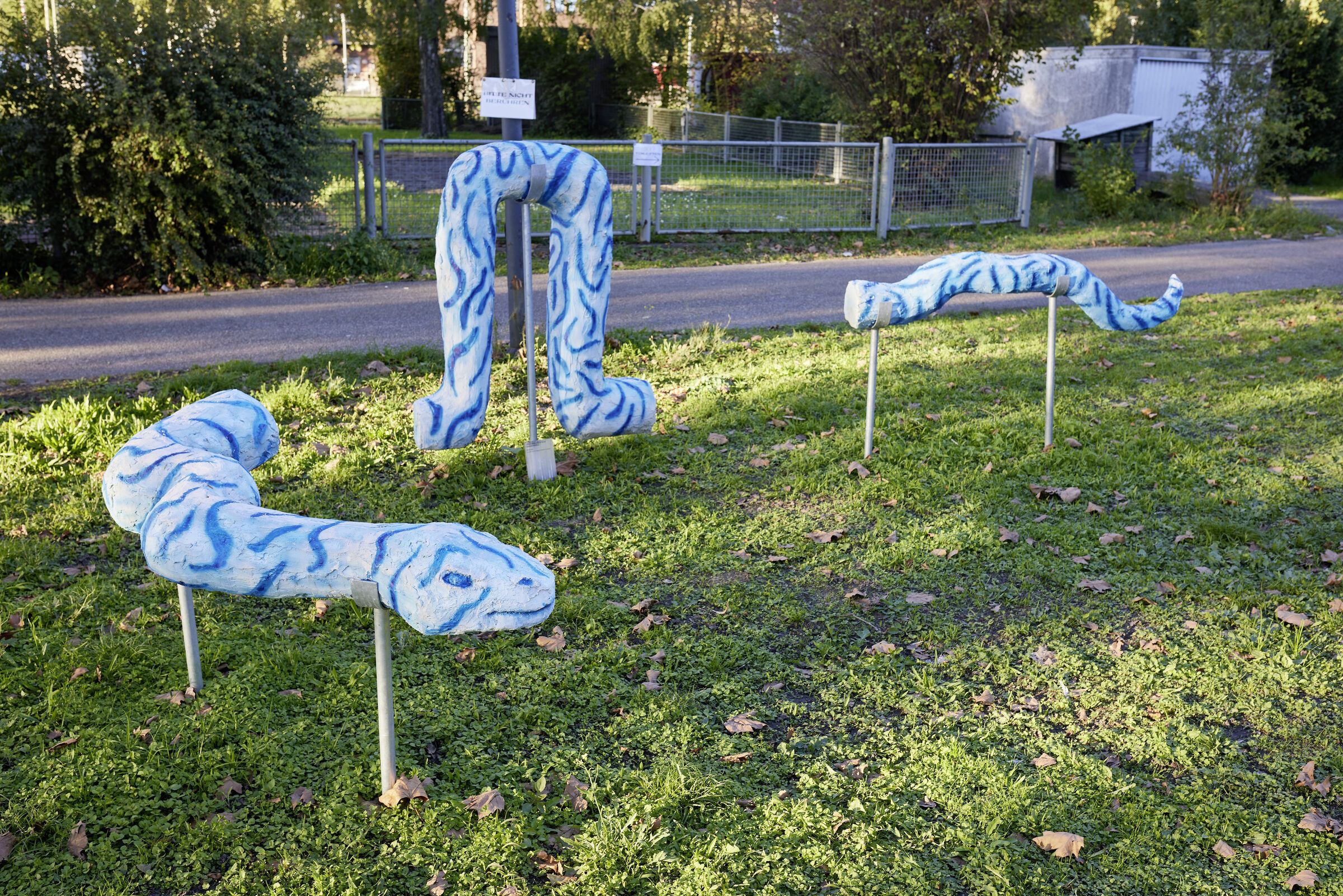
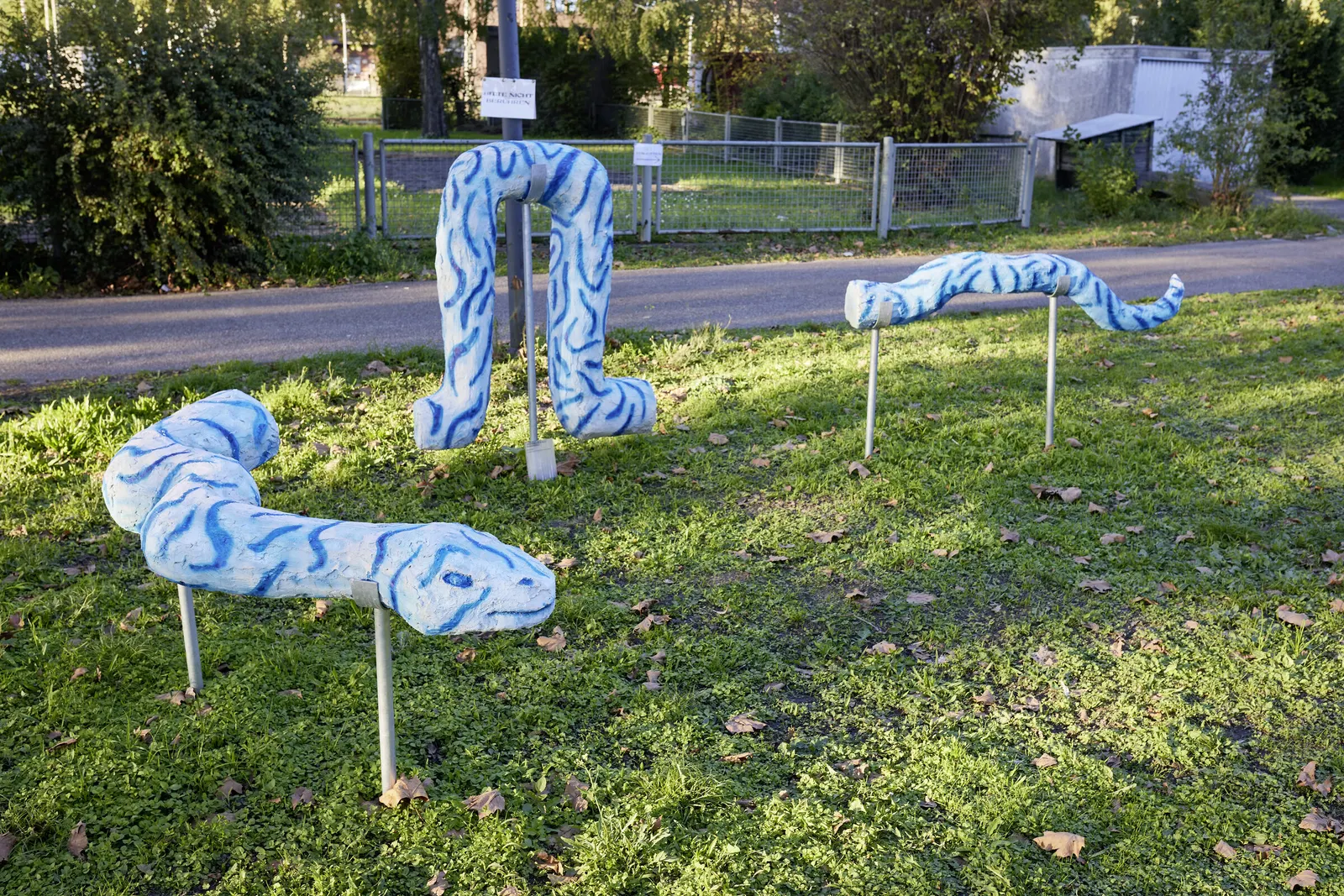
Arbeit von Daniele Dell’Eva 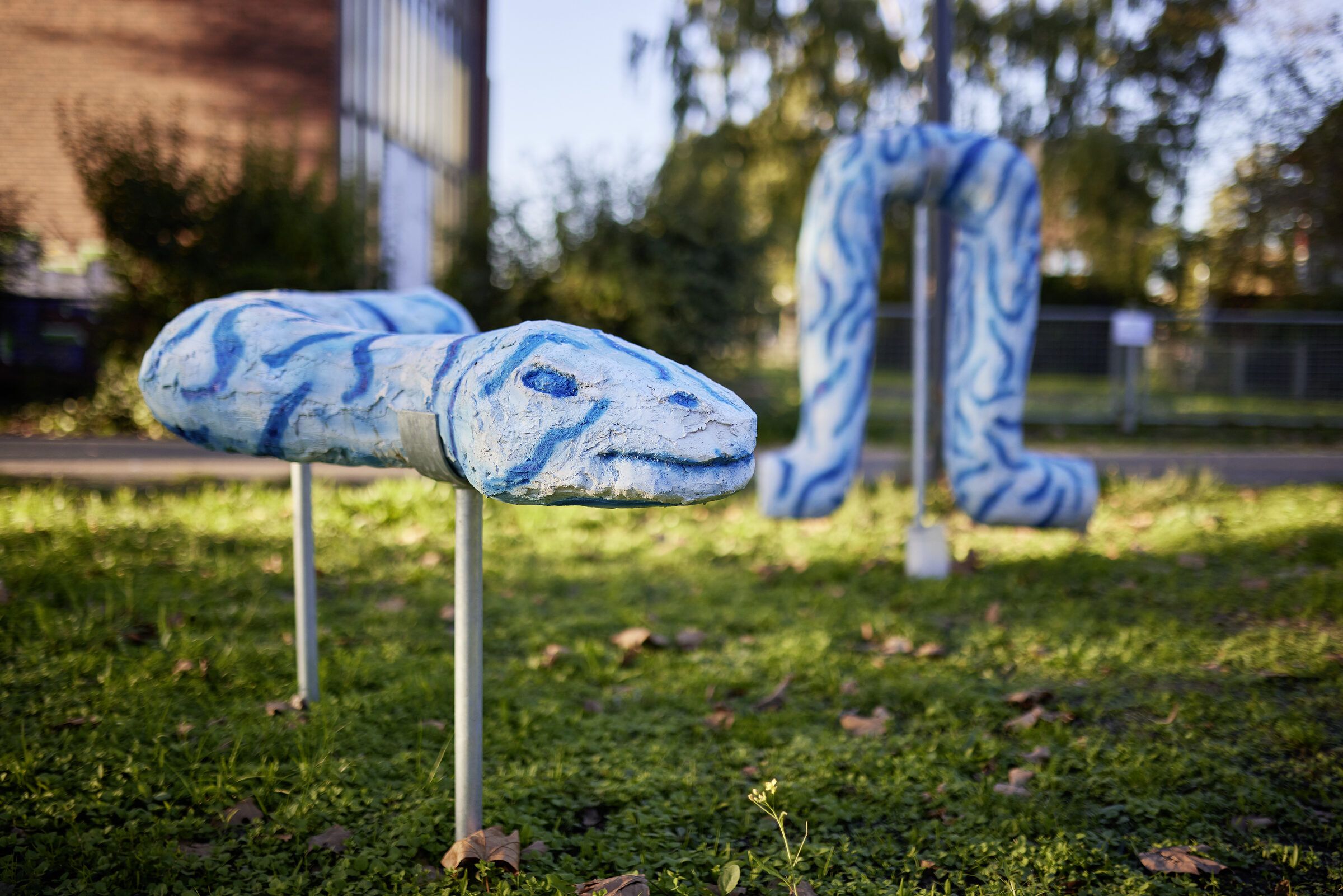
Arbeit von Daniele Dell’Eva